
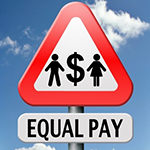
Massachusetts recently signed into law An Act to Establish Pay Equity, S.2119, which takes effect on July 1, 2018. The new law prevents wage discrimination based on gender.
The law includes several noteworthy changes related to the employment process, but perhaps the most significant is that it prohibits employers from requiring applicants to provide their salary history before receiving a formal job offer.
The intention is to close the salary gap. Women have historically been paid less than men, and once a salary gap is established, typically early in a woman’s career, it’s difficult to close that gap.
Although the law only applies to Massachusetts employers and employees, it is expected to have far-reaching implications. As with other changes related to hiring, large companies will likely amend their policies to ensure they do not inadvertently violate the law. In addition, given the national attention this law has garnered, these companies will want to be viewed as non-discriminatory—or better yet, pro-equality.
Because large companies will adopt new policies and procedures, job candidates will expect small and midsize employers to follow suit.
Like other human resource trends, the changes as a result of this law, and other state and federal legislation that may follow, will eventually impact your practice. It is therefore prudent to familiarize yourself with what is happening in Massachusetts, and even get ahead of the curve and make necessary adjustments to your hiring processes.
Here is a summary of the new Massachusetts law, courtesy of the Equal Pay Coalition.
S.2119, An Act to Establish Pay Equity
Section 1: Removes a dated definition of “woman” from chapter 149
Section 2(a): “comparable work” is defined as solely meaning work that is substantially similar in content and requiring substantially similar skill, effort and responsibility and performed under similar working conditions
Section 2(b):
- Prohibits discrimination on the basis of gender in the payment of wages for comparable work unless the variation is based upon
- Seniority
- A bona fide merit system
- A bona fide system which measures earnings by quantity or quality of production or sales
- Geographic location; or
- Education, training, or experience to the extent such factors are reasonably related to the particular job in question and consistent with business necessity
- Damages for violating this section shall be the amount of unpaid wages plus an equal amount in liquidated damages as well as attorney’s fees
- The statute of limitations shall be 3 years and each discriminatory paycheck shall be deemed a violation
Section 2(c): prohibits an employer from:
- Banning employees from talking about their salaries
- Screening job applicants based on their wages or salary histories, including requiring or requesting that an applicant disclose prior wages or salary history as a condition of being interviewed or otherwise considered for a position
- Seeking the salary history of a prospective employee from any current or former employer, except after a formal offer of employment and with written consent of the prospective employee
- Retaliating against an employee
Section 2(d): Creates an affirmative defense for any employer who, within the previous 3 years, completes a self-evaluation of its pay practices, in good faith, and can demonstrate reasonable progress has been made to eliminate gender passed pay differentials for comparable work. An employer may design their own review, provided that it is reasonable, or may conform to templates, forms, and guidance that the attorney general will provide
Section 3: increases the fine for a violation of these provisions from $100 to $1000
Section 4 and 5: Requires that employers post a notice about an employee’s rights under section 105A of chapter 149 in the workplace